
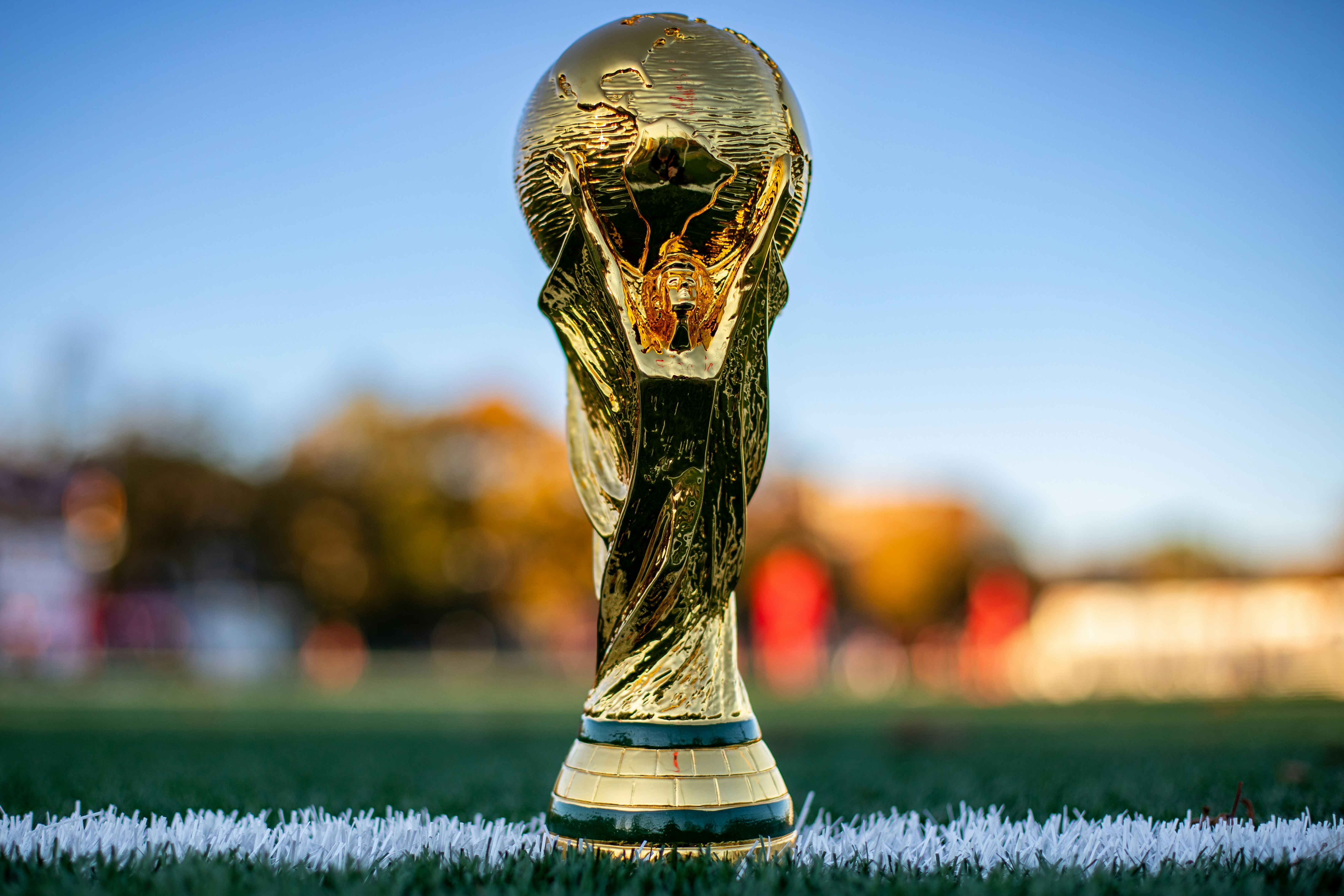
There are few moments in sport that can genuinely claim to unite the world. The FIFA World Cup opening is one of them.
For a few hours, borders seem less important, rivalries are put on hold, and billions of people focus on the same thing. Whether you're watching from a packed stadium, a bustling fan zone, your local pub, or your sofa at home, the feeling is remarkably similar: the wait is finally over.
After years of qualification campaigns, months of speculation, and endless debates about favourites, dark horses, and potential surprises, the opening of the FIFA World Cup signals the moment football's biggest show officially begins.
And what a show it is.
The opening of a World Cup isn't simply about 22 players stepping onto a pitch. It's about anticipation.
It's the excitement that has been building since the previous tournament ended. It's the childhood dream of every player who imagined representing their country on football's grandest stage. It's the hope of millions of fans who believe this could finally be their nation's year.
The opening ceremony captures all of that emotion in a single spectacle.
Host nations spend years preparing for this moment. The ceremony becomes their opportunity to introduce themselves to the world, showcasing their culture, traditions, music, and identity. The football may be the main attraction, but the ceremony creates an atmosphere unlike anything else in sport.
For the 2026 FIFA World Cup, fans are expected to be treated to performances from global stars including Shakira and Burna Boy. Shakira, in particular, has become synonymous with the tournament after her iconic 2010 anthem Waka Waka (This Time for Africa) became one of the most recognisable World Cup songs ever recorded. Moments like these help transform the opening from a sporting occasion into a global celebration.
Then comes the moment everyone has been waiting for.
The teams emerge from the tunnel. National anthems echo around the stadium. Cameras pan across nervous faces in the crowd. Players take their final deep breaths.
And then, with one whistle, the tournament begins.
The opening match carries a unique pressure. Every pass, tackle, and shot suddenly feels significant because it is the first chapter of a story that will dominate headlines for the next month.
For the host nation, the occasion can be overwhelming. The expectations of an entire country rest on their shoulders. A strong performance can spark belief. A poor result can create immediate scrutiny.
Either way, history has shown that opening matches rarely lack drama.
One of the reasons football fans love the World Cup is that it consistently delivers the unexpected.
The opening game is often our first reminder that predictions mean very little once the ball starts rolling.
Take Germany's 4-2 victory over Costa Rica in the opening match of the 2006 World Cup. Fans expecting a cautious start instead witnessed an attacking spectacle packed with stunning goals and end-to-end football. It immediately set the tone for one of the most entertaining tournaments in modern history.
Twelve years later, host Russia entered the 2018 World Cup under intense scrutiny and with few people expecting them to make an impact. Yet their 5-0 demolition of Saudi Arabia in the opening game transformed the mood overnight. Suddenly, the tournament had a new storyline.
Then there was South Africa in 2010. The hosts drew 1-1 with Mexico, but the match is remembered for Siphiwe Tshabalala's thunderous opening goal. As the ball flew into the top corner and the sound of vuvuzelas echoed around Soccer City, football fans around the world witnessed a moment that would become one of the defining images of that World Cup.
That's the magic of a World Cup opening. It doesn't just start a competition; it creates memories that can last a lifetime.
What makes the World Cup opening truly special is its audience.
The tournament attracts viewers from virtually every corner of the globe. Different languages, cultures, and traditions all converge around a shared passion for football.
A fan in Buenos Aires, another in Tokyo, one in Lagos, and another in London may have very little in common in their daily lives. Yet when the World Cup begins, they're all watching the same match, reacting to the same moments, and experiencing the same emotions.
Few events can create that kind of connection.
In an increasingly fragmented world, there is something remarkable about a tournament that still has the power to bring people together.
The opening match is important, but its greatest significance lies in what it represents: possibility. Every champion's journey starts here. Every iconic moment is still waiting to happen. Nobody knew when Tshabalala scored in 2010 how the tournament would end. That's the beauty of the World Cup. The opening chapter is written before anyone knows how the story ends.
The FIFA World Cup may be football's biggest event, but it is also one of the world's biggest communication challenges. Fans consume content across dozens of languages, cultures, and platforms, making effective communication more important than ever.
At Elite Linguistics, we help organisations and content creators connect with international audiences through specialist localisation, translation, and multilingual content services. From match coverage and digital campaigns to marketing materials and fan engagement content, we ensure that every message resonates across borders.
Because while football may be a universal language, communicating it effectively still requires expertise.